Short Films
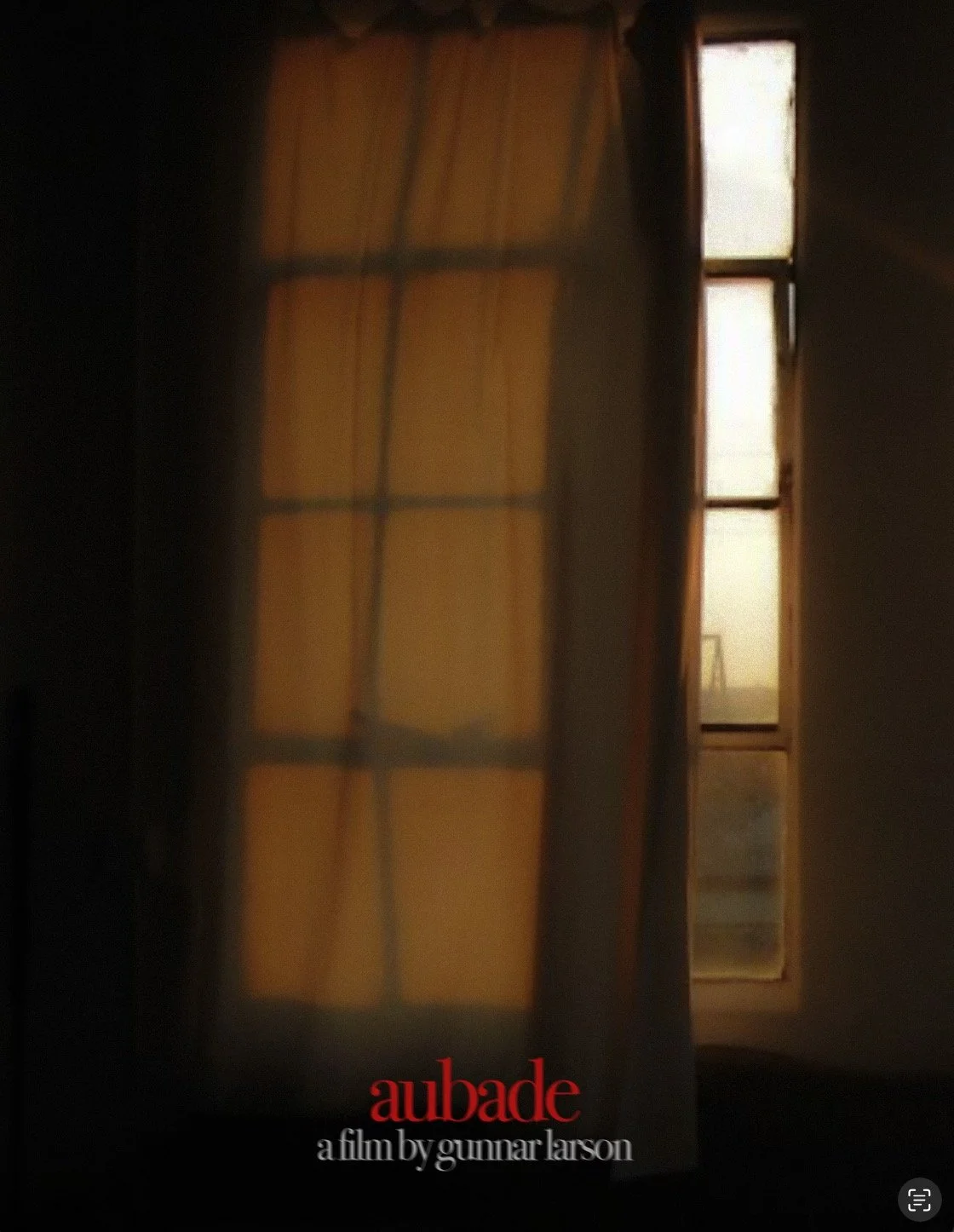
All scripts available upon request.WRITER | PRODUCER | DIRECTORAubade
Experimental | Tone PoemIN POST-PRODUCTION, 2027 RELEASEDirector’s Statement: Aubade takes the form of written poetry and transposes it to an audiovisual medium. This film is meant to be felt and experienced; more of a texture than a story, where the juxtaposition and transposition of images reflects an emotional and psychological truth around grief, absence, loneliness, and the difficulties of starting from zero. The script is unconventional—written as a poem itself.
Logline: A man wakes to discover his partner has vanished—and the apartment and time itself begin to dissolve around his grief.
WRITER | PRODUCER PONDSCUM
Drama | RomanceWriter’s Statement: Pondscum reflects a specific kind of desire, reciprocated but without air to breathe. There’s a restraint in the prose; all meaning is distilled in action and movement. There’s an unspoken language between the main characters that erupts in a moment of physical release.
Logline: Two soldiers who met while deployed struggle to decide their future when one of them commits to redeployment.
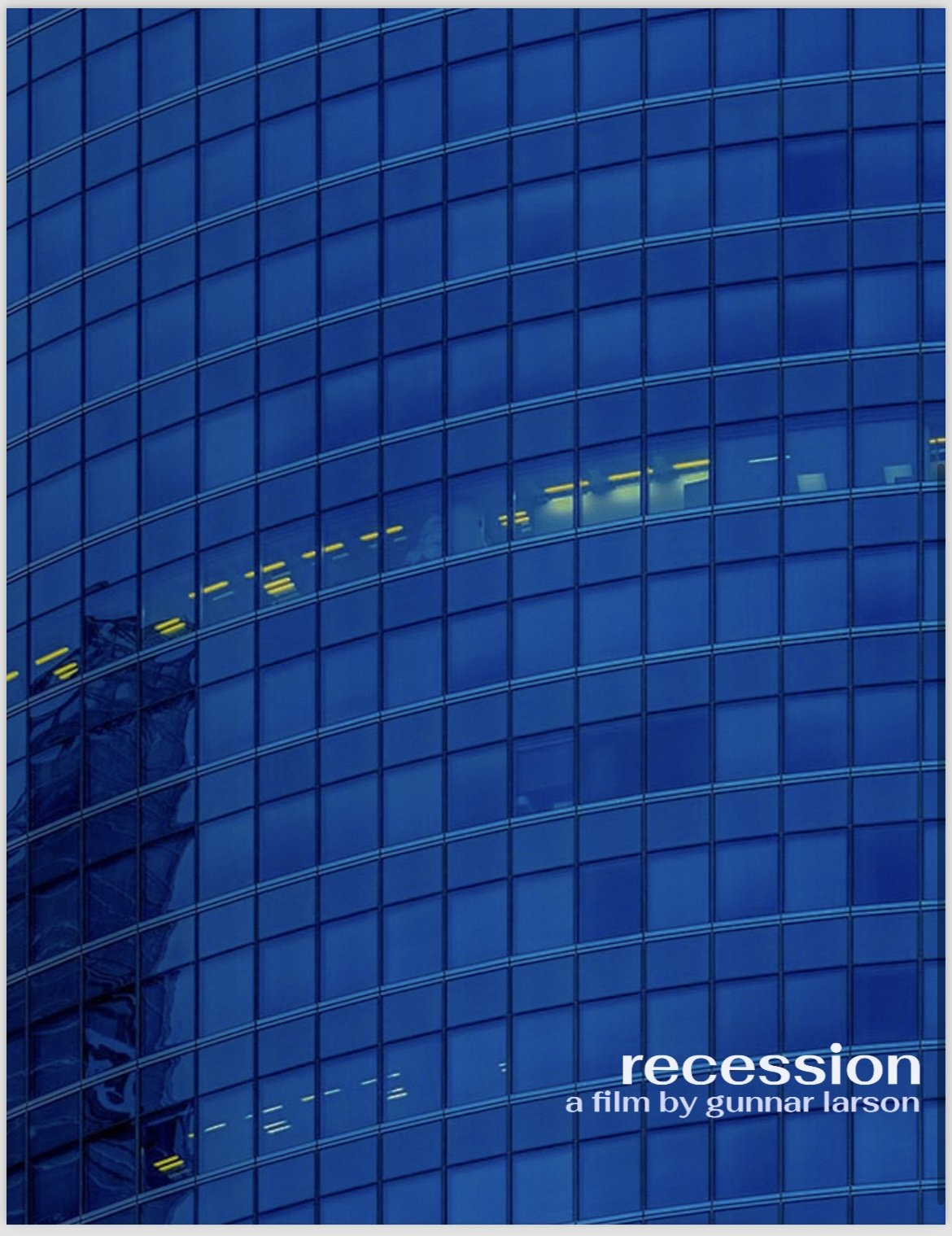
WRITER | PRODUCER | DIRECTORRecession
Dark Comedy | Tragicomedy Logline: A 23-year-old woman is dumped, moves back home, and becomes disillusioned with her dream job—and her gradual unraveling reveals how unprepared she was for adulthood.
Director’s Statement: Recession is meant to reflect a specific kind of Gen-Z / Zillennial disillusionment. Institutional failures pile up—boyfriends leave; parents are unsympathetic; frenemies compare wins; employers are unforgiving—and your sense of identity begins to fracture. The joke and the tragedy reside in the same space: the mundanity of life is something nobody can prepare you for.
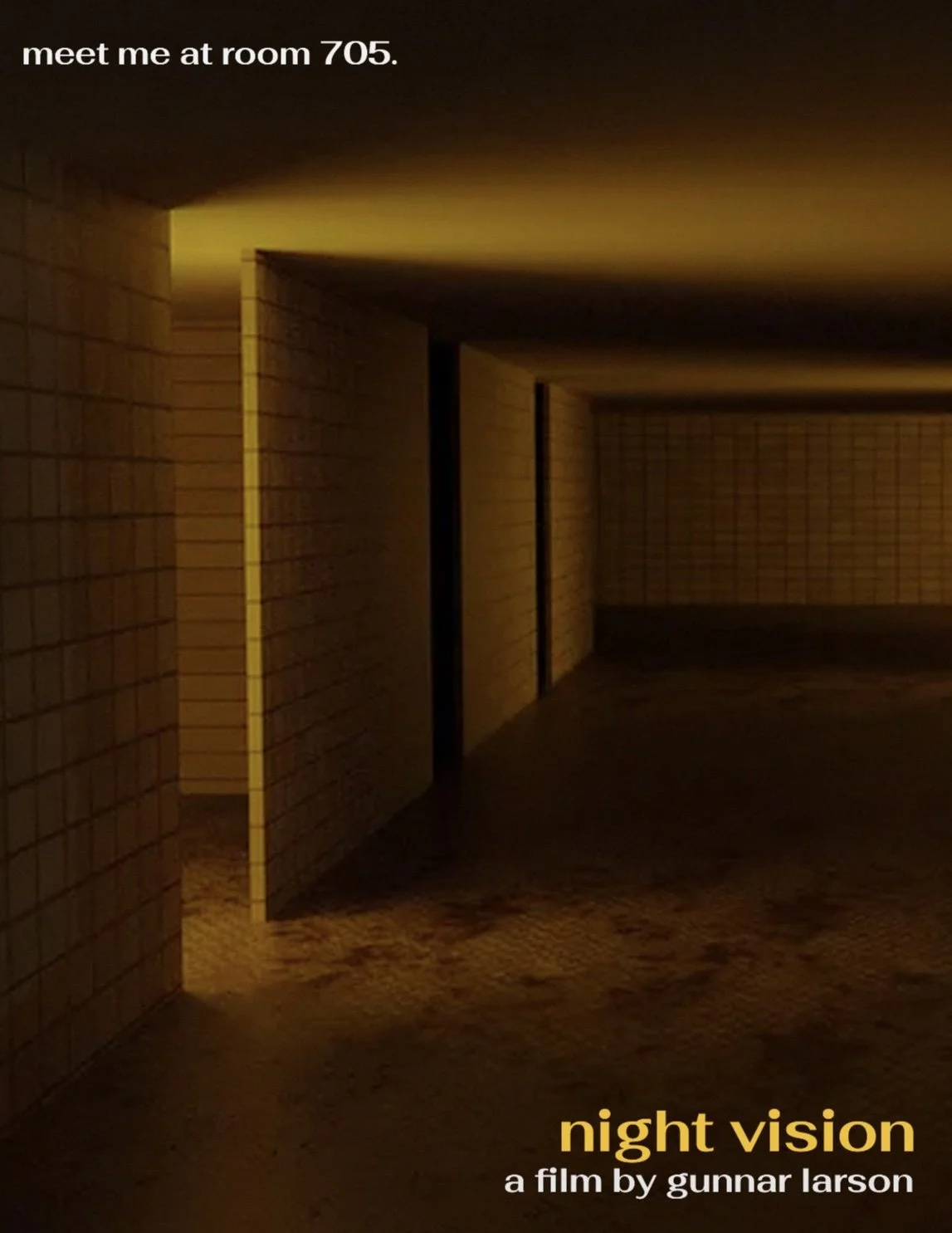
WRITER | PRODUCER | DIRECTORNIGHT VISION
Drama | Dystopian NoirLogline: A gay teenager supporting himself with sex work navigates a night in dystopian near-future Los Angeles when two connections he wasn’t looking for disrupt his reality.
Director’s Statement: Night Vision reflects a version of reality that I fear is closer than many think, where homosexuality is re-criminalized and LGBT+ people are forced back into hiding. The dystopia isn’t science fiction, but an extrapolation of present reality. I wanted to depict the cost of survival beside the beauty of connection.
WRITER | PRODUCER | DIRECTORGetting Gone
Comedy | Drama | Urban NoirLogline: A young man’s first date turns into an odyssey of theft, assault, and bad luck across one night in West Hollywood.
Director’s Statement: Getting Gone is written to be shot—on the street, guerilla, with an iPhone and an actor—as an attempt to capture a truth. The main character is not unlucky; he’s a man pushed to the brink when unexpected event after unexpected event affects him. The anger at the core of the film is an anger directed at losing control in an indifferent world.
Writer’s Statement
My films begin in the body before they reach the mind—I'm interested in the moment just before language catches up to feeling, and in characters who are inarticulate not because they're simple, but because the things they carry can’t be explained easily.
My work tends to live at the intersection of desire and consequence. People want things they can't say out loud, or say them out loud at exactly the wrong moment, or do something irreversible in the space between the two. I'm drawn to marginalized desire specifically—not as subject matter, but as the place where the stakes are highest, and the performances people give are most extreme. A gay teenager who has monetized his own invisibility. Two soldiers who can only be honest with each other in a pond. A young woman who mistakes self-destruction for a love letter.
Crime and violence live at the margins of all five scripts; not as genre machinery, but as the form that pressure finally takes. These moments arrive the way they do in life: suddenly, out of proportion, and without explanation.
Formally, I'm interested in restraint and when to break it.
I came to filmmaking from the archive. I've spent years handling other people's work—preserving it, cataloguing it, making sure it survives. That position, at both ends of cinema's lifecycle, has made me serious about what gets made and why. These scripts are short, but they're not small. Every one asks a question I genuinely don't know the answer to.